
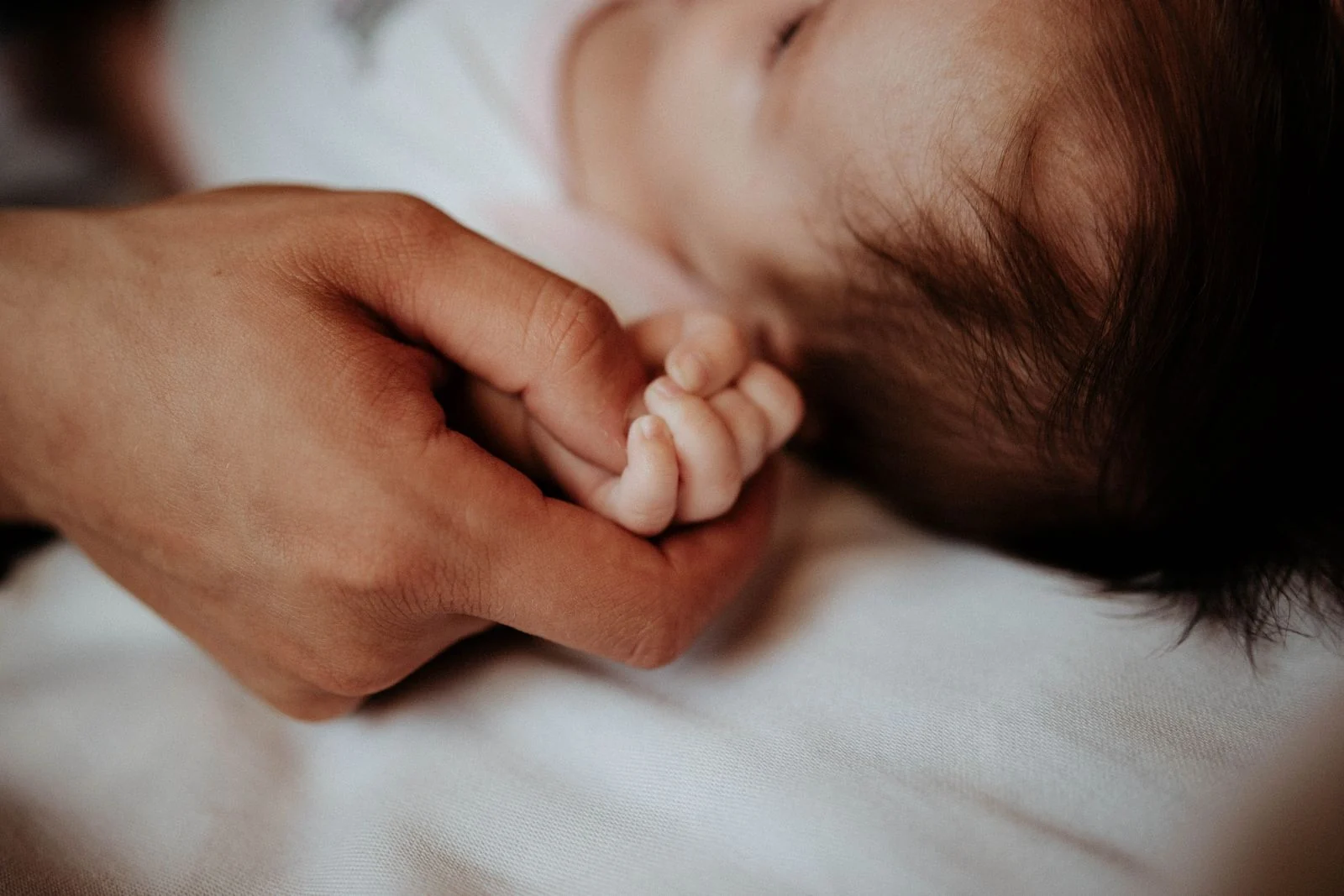
Waste isolation, built into the diaper.
DiviDiaper's patented Waste Isolation Platform™ is designed to keep urine and stool apart and give a urinary catheter its own sealed space. It is built for newborns, children after surgery, anyone who needs a catheter, and older adults.
In development and not yet for sale.
A short history
The diaper got better at holding waste. It never kept it apart.
For almost fifty years, the big changes to mainstream diapers have focused on absorbing more and leaking less. Today's cores are designed to pull urine away from the skin, but stool does not soak in the same way, and urine and stool still land in the same space.
-
1978
Wetness indicators.
A stripe on the outside that changes color when the diaper is wet.
-
1987
Leg cuffs and leak guards.
Elastic barriers around the legs, patented to help keep leaks in.
-
2023
Rear blowout barrier.
A pocket at the back designed to help hold stool inside the diaper.
-
Today
Waste Isolation Platform™.
Designed to keep urine and stool apart and give a urinary catheter its own sealed space. Patented in the U.S. and in development.
Sources: Kimberly-Clark wetness indicator introduction, 1978 (EDANA, Seven Decades of Disposable Diapers); U.S. Patents 4,636,207 and 4,704,116, issued 1987; Procter and Gamble announcement, October 2023.
One platform. Two patented technologies.
The Waste Isolation Platform™ changes the inside of the diaper. It comes first in two products, Harlows™ and CathEase™.
Harlows™, with the Divider™
For every diapered baby or patient
A soft, stretchy Divider™ between the legs, designed to hold urine in the front zone and stool in the back, so they do not mix against the skin.
Early prototype bench test by a prototype vendor: liquid poured into the front zone did not cross into the back. A lab test, not a clinical study.
Over time, DiviDiaper intends to license the platform to diaper makers, so waste isolation can become part of everyday diapers.
Why it matters
What happens when urine and stool mix
In a regular diaper, urine and stool land in the same place. Mixing can lead to ammonia formation and changes in the skin's natural, protective acidity. Studies estimate that 36 to 75 percent of children get diaper rash at some point, and it matters most for newborns, people healing from surgery, and anyone with a catheter.
Jaiyeoba and Visscher, Journal of Tissue Viability, 2025.
They mix.
Urine and stool meet in the same space, right against the skin.
The skin's balance changes.
Ammonia can form and change the skin's protective acidity. Enzymes in stool can also irritate the skin. Doctors call this incontinence-associated dermatitis, or IAD. In one multicenter study, 32 percent of hospitalized newborns developed it.
Balaguer-López, Anales de Pediatría, 2024.
Catheter care matters.
Skin irritation can increase susceptibility to infection. When a urinary catheter is in place, bacteria from stool can travel along the tube toward the bladder. That infection is called CAUTI.
What is CAUTI, and why does a diaper matter?
CAUTI stands for catheter-associated urinary tract infection. It is an infection of the bladder or kidneys that can start when a urinary catheter is in place.
How common is it?
About 75 percent of urinary tract infections picked up in the hospital are linked to a urinary catheter.
Source: CDC.
How does it start?
Bacteria can travel along the catheter tube into the bladder. The bacteria that most often cause urinary infections normally live in stool.
Where does the diaper come in?
When a patient with a catheter also wears a diaper, stool can end up right next to the tube. Today's workaround, a cut diaper with a second one underneath, does not provide a dedicated space for the tube. CathEase™ is designed to change that.
Who it's for
Built for the people the standard diaper leaves behind.
-
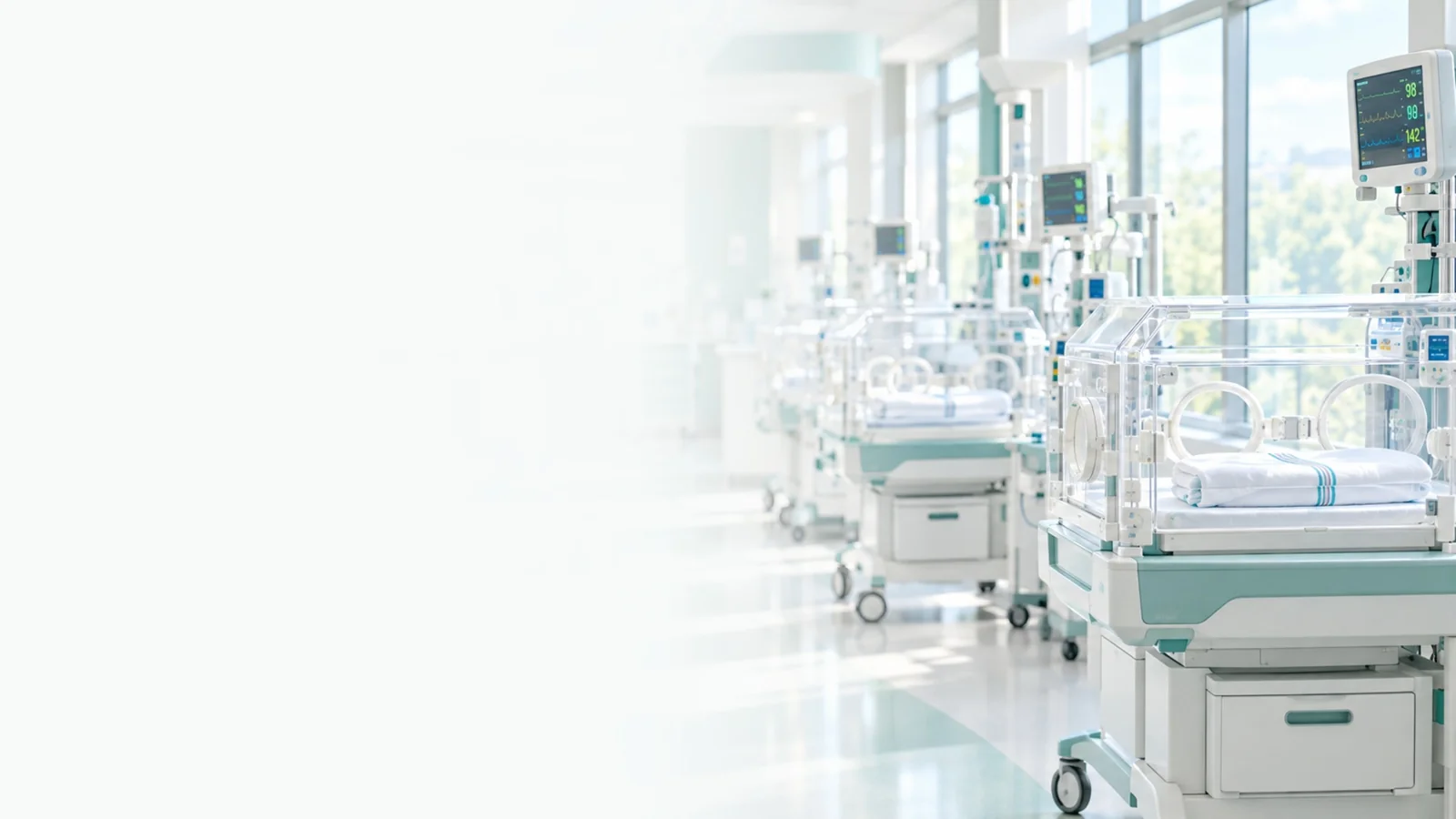
Newborns in the NICU
Premature newborns and babies receiving hospital care have delicate skin that needs gentle care.
Harlows™ is designed to keep urine and stool in separate zones, so they do not mix against that skin.
-

Children recovering from surgery
After surgery near the diaper area, kids often go home with fresh stitches and a catheter.
CathEase™ is designed to give the catheter its own sealed space and keep stool away from it.
-
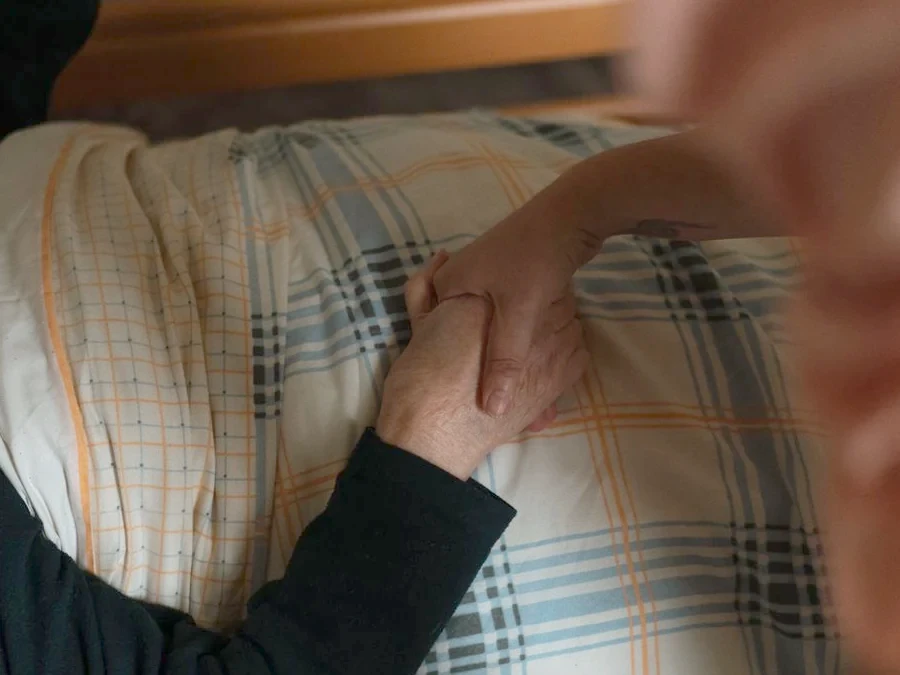
Anyone who needs a catheter
Today, a catheter and a diaper do not fit together, so caregivers cut holes and stack diapers.
CathEase™ is designed to replace that workaround with one product built for the job.
-

Older adults and people with incontinence
Aging skin is thinner and slower to heal, and may be more sensitive to contact with mixed waste.
Harlows™ is designed for every diapered patient, not just babies.
-

The people who care for them
Parents, family caregivers and nurses do this work every day, often with no better option.
DiviDiaper is designing for the people who do this work. Tell us what you need.
Share your story
THE DIVIDIAPER STORY
Born from a surgical "hack" that failed.
DiviDiaper started with two parents, one child, and a "standard of care" that left him exposed.
-
The Beginning
Harlow's surgeries, and a workaround that failed him
Harlow Jeffers was born with hypospadias, a condition where the urethra opens on the underside of the penis instead of the tip. Correcting it took several reconstructive surgeries between ages one and three. Each one left fresh stitches, a urinary catheter, and weeks of careful recovery. The hospital's answer for diapering after surgery was not a medical product. It was a workaround: cut a hole in the front of one diaper, thread the catheter through it, and place a second diaper underneath to catch the urine.
-
The Moment
"If you have to hack it, it's broken."
One day, when Tivon went to change Harlow, stool had spread onto his fresh stitches. The workaround had failed. If a hospital has to hack a product to make it work, the product is broken. So they set out to fix the product.
"What about a divider? What if we could separate the urine from the stool and keep it away from the surgical area?"
Tivon Jeffers, Co-Founder and CEO -
The Prototype
From a sketch to a working sample
Tivon started sketching. With LisaRoxanne, he designed a diaper with a soft, elastic divider inside and, for when a catheter was needed, a front compartment with a port for the tube. They built the first sample by hand and tried it on Harlow. In their experience at home, the front held the urine and the back held the stool.

-
Clinical Recognition
A surgeon takes notice
They showed the samples to Harlow's surgeon, Dr. Dix Poppas, Chief of Pediatric Urology at Weill Cornell Medicine, who saw its potential. DiviDiaper was founded in New York and went on to win the INDA RISE® Innovation Award. FOX 5 New York ran the story: "Son's surgeries spur New York couple to invent new diaper."
"Just a better diaper that makes good sense, and should be used by all needing diapers."
Dr. Dix Poppas, Chief of Pediatric Urology, Weill Cornell Medicine, on FOX 5 New York 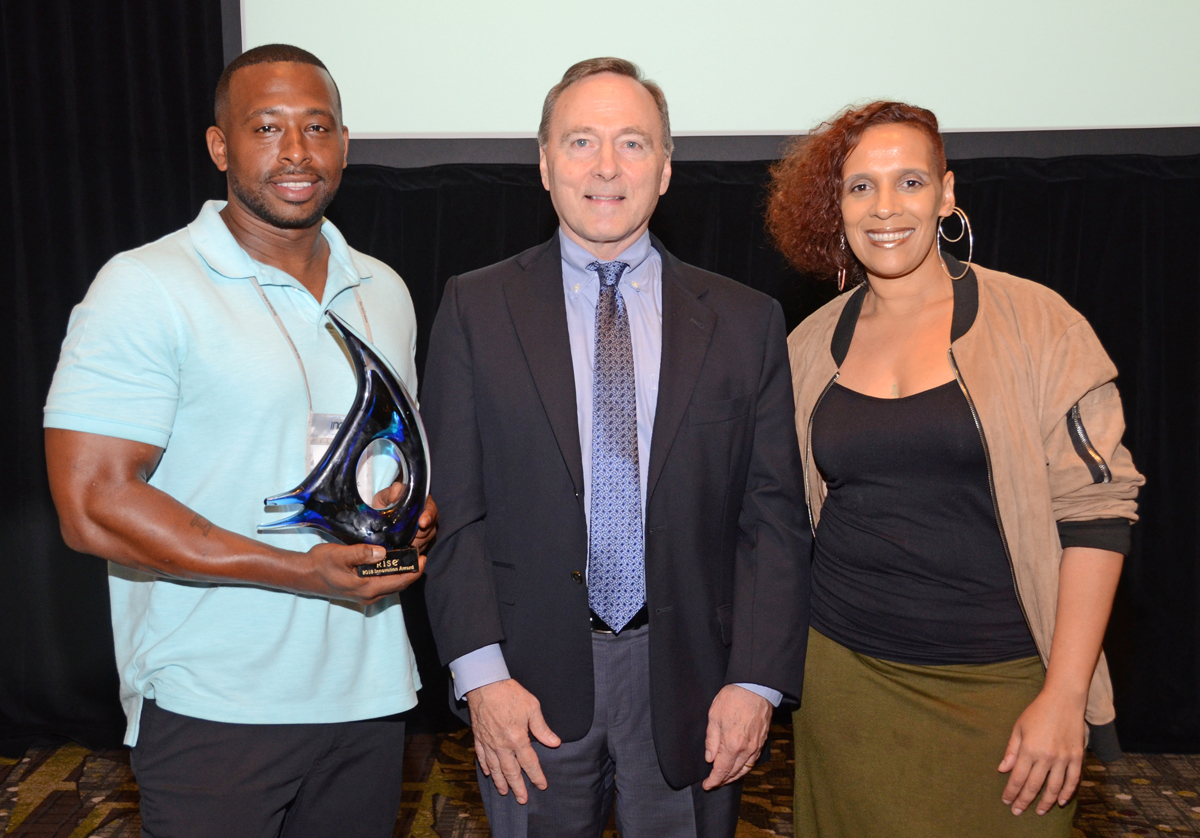

-
Today
From one child to every patient
The platform is covered by a U.S. patent granted in 2026, and an evaluation agreement is secured with a major NYC academic medical center, ready to commence upon inventory delivery. A leading diaper machine maker has engineered and priced a path to high-speed production. The goal is for waste isolation to reach every patient, from the NICU to long-term care.
Industry Recognition


Community
This starts with people
Your story shapes what DiviDiaper builds.
Tell us what happened and what would have helped.
Questions, partnerships, hospitals or media. A real person reads every message.
We never sell your information. Stories are shared only with your permission.
Email: divi@dividiaper.com